Why Grass Fed Beef is Taking South Africa by Storm
When it comes to beef, not all cuts are created equal. Grass fed beef in South Africa has quickly become a symbol of health-conscious eating, sustainability, and premium quality. But what makes grass-fed beef so unique, and why should it be a staple in your kitchen? Let’s dive into the health benefits, environmental impact, and everything you need to know about this growing trend.
What Is Grass-Fed Beef?
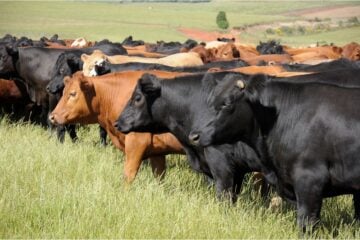
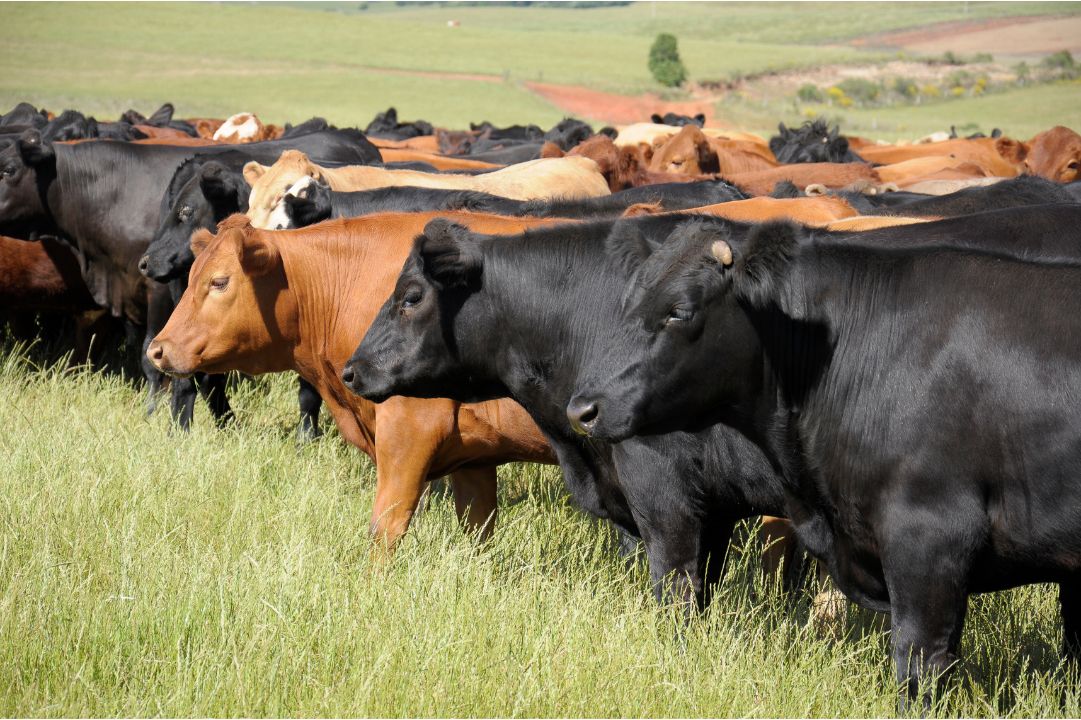
Grass-fed beef refers to cattle raised on a diet consisting entirely of grass and forage, as opposed to grain-fed livestock. This method mimics their natural eating habits, resulting in healthier, happier cows and, ultimately, a healthier meal for you.
The Health Benefits of Grass-Fed Beef
Switching to grass-fed beef offers many health benefits, making it an excellent choice for those aiming to improve their diet and overall well-being.
1. Higher Omega-3 Fatty Acids
Grass-fed beef is rich in omega-3 fatty acids essential for heart health. Studies show that omega-3s can help reduce inflammation, lower blood pressure, and decrease the risk of chronic diseases.
2. More Conjugated Linoleic Acid (CLA)
Grass-fed beef contains up to five times more CLA than grain-fed beef. CLA is a healthy fat linked to improved immune function, reduced body fat, and cancer prevention.
3. Packed with Essential Nutrients
Grass-fed beef is a powerhouse of vitamins and minerals, including:
- Vitamin E: A potent antioxidant.
- Vitamin A: Supports healthy vision and immunity.
- Zinc and Iron: Essential for energy and oxygen transport.
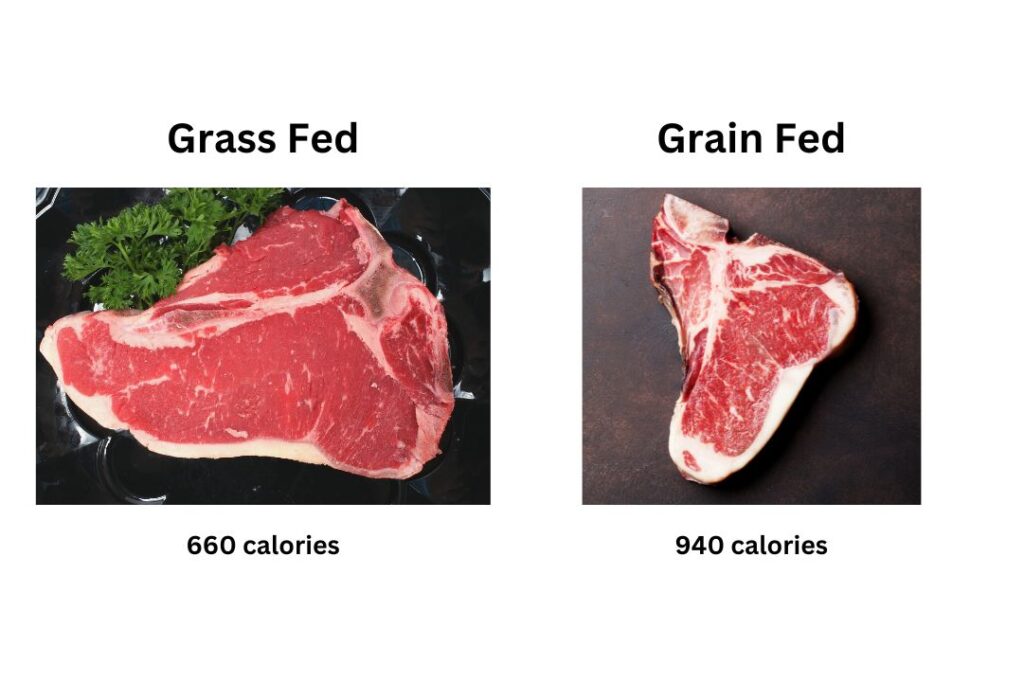
4. Lower in Calories and Fat
Grass-fed beef is leaner than its grain-fed counterpart, meaning fewer calories per serving. This makes it ideal for those watching their weight without sacrificing taste or nutrition.
5. Free from Hormones and Antibiotics
Grass-fed cattle are typically raised without growth hormones or unnecessary antibiotics, making the beef cleaner and safer for consumption.
Environmental Benefits of Grass-Fed Beef
1. Sustainability
Grass-fed farming practices promote soil health, biodiversity, and carbon sequestration. Cattle grazing on grasslands contributes to a more sustainable food system.
2. Ethical Farming
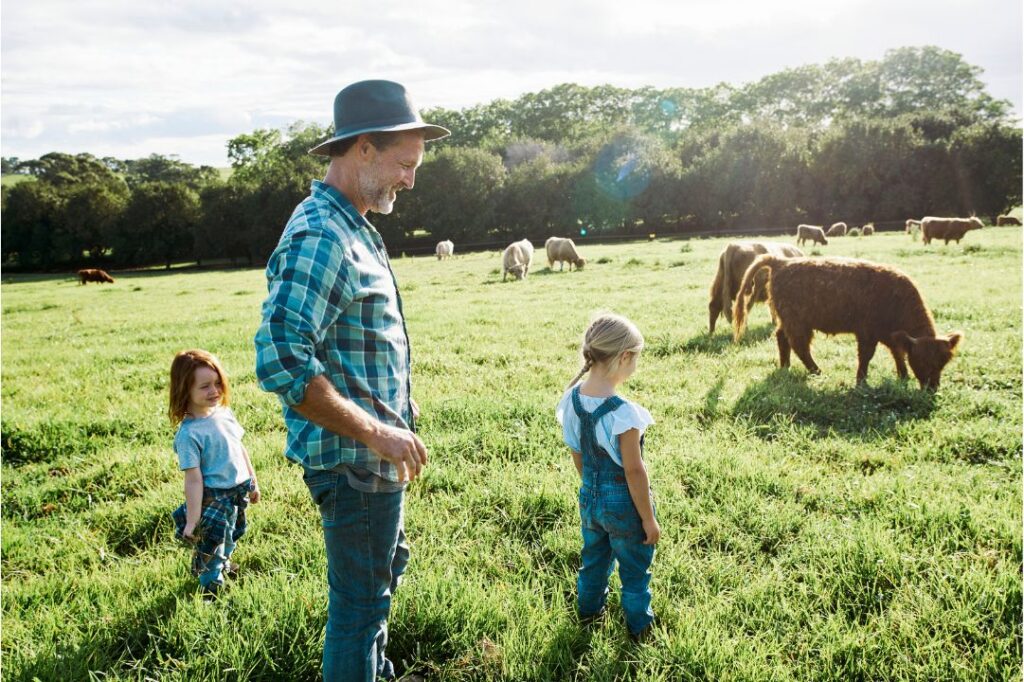
Grass-fed beef is often associated with free-range farming, where cattle roam freely, which leads to better animal welfare than industrial feedlots.
Grass-Fed Beef in South Africa
In South Africa, grass-fed beef is not just a niche—it’s a movement. Farmers across the country are embracing ethical and sustainable methods to produce beef that’s as good for you as it is for the planet. Popular regions for grass-fed farming include:
- The KwaZulu-Natal Midlands
- Eastern Cape grasslands
- Free State grazing fields
How to Identify Authentic Grass-Fed Beef
- Labels Matter: Look for certifications like “100% grass-fed” or “Pasture-raised.”
- Know Your Farmer: Support local farmers specializing in ethical and sustainable beef production.
- Appearance: Grass-fed beef often has a darker red color and yellowish fat due to its high beta-carotene content.
How to Cook Grass-Fed Beef
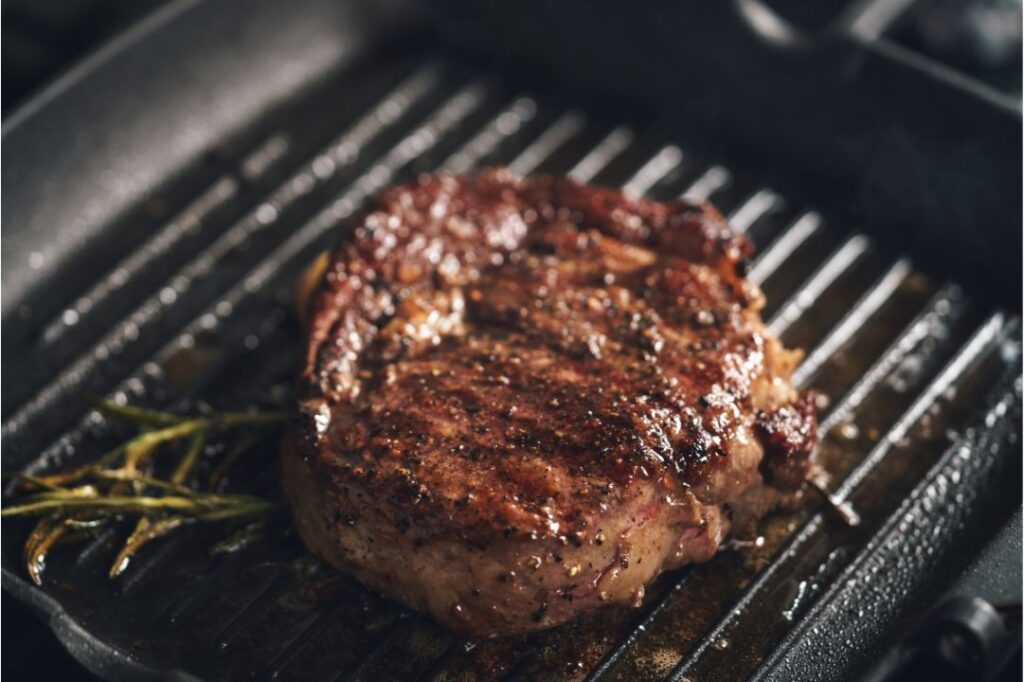
Grass fed beef is leaner, so it cooks faster than grain-fed beef. Follow these tips for the perfect steak:
- Marinate: Tenderize and enhance flavor with marinades.
- Cook Low and Slow: Avoid overcooking to retain juiciness.
- Rest the Meat: Let it sit 5-10 minutes after cooking.
Best Recipes for Grass-Fed Beef
- Grass Fed Beef and Vegetable Stir Fry
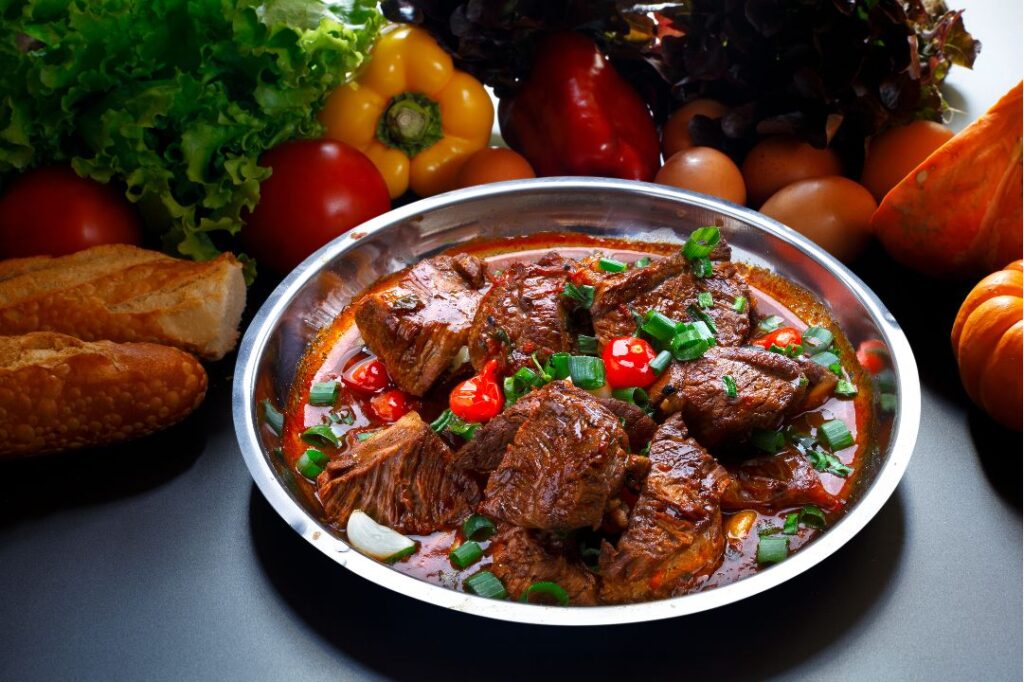
- Slow-Cooked Grass-Fed Beef Stew
- Classic Grass-Fed Beef Burgers
Why You Should Make the Switch Today
Grass fed beef isn’t just a food choice; it’s a lifestyle. By choosing grass-fed, you’re investing in your health, supporting sustainable farming, and enjoying beef that’s naturally rich in flavor and nutrition.