The Beginner’s Guide to Starting a Profitable Small Farm in South Africa
Introduction
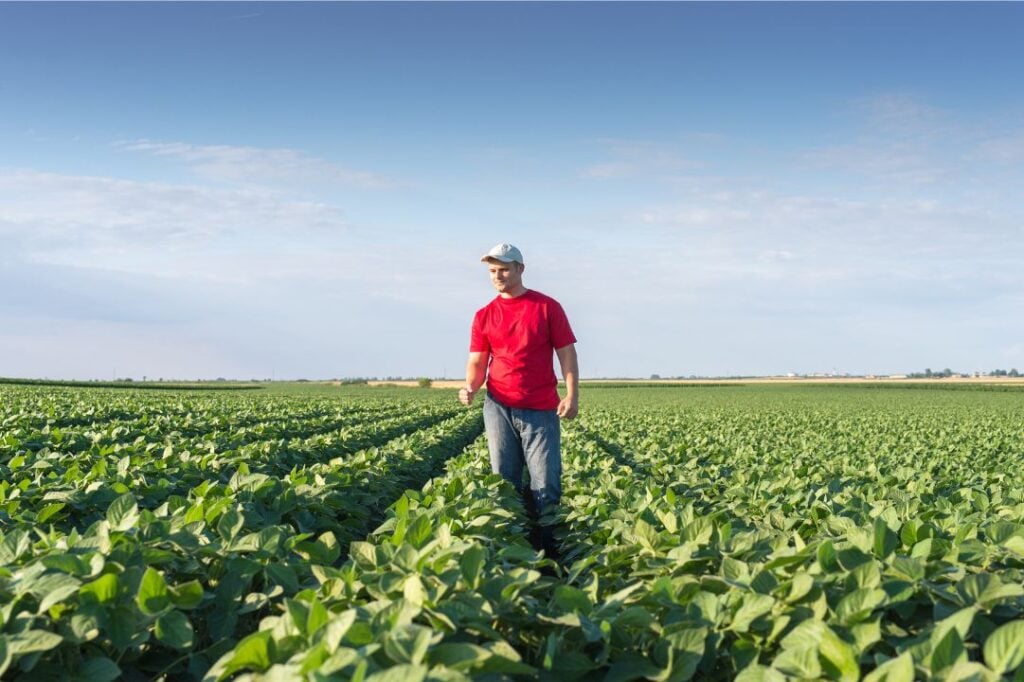
Starting a small farm in South Africa can be a rewarding and profitable venture. Careful planning is key to success, whether you’re looking to grow crops, raise livestock, or create a niche agricultural business. This beginner’s guide will walk you through the essential steps to establish and manage a small farm, focusing on sustainable practices, market strategies, and profitability.
1. Define Your Vision and Goals
Before starting your farm, clarify your vision. Ask yourself:
- What type of farming do you want to pursue (crops, livestock, mixed farming)?
- Are you focusing on subsistence farming, local sales, or larger markets?
Pro Tip: Choose a niche that aligns with your passion and has market demand. Examples include organic vegetables, free-range eggs, or specialty herbs.
2. Select the Right Land
The location of your farm plays a critical role in its success. Consider:
- Soil Quality: Conduct soil tests to ensure it suits your intended crops.
- Water Availability: Access to water for irrigation and livestock is crucial.
- Proximity to Markets: Choose land close to your target market to reduce transport costs.
Did You Know? South Africa’s diverse climates offer opportunities for various farming activities, from high-value crops in the Western Cape to livestock in Limpopo.
3. Plan Your Budget
Starting a farm requires financial planning. Include costs for:
- Land purchase or lease.
- Equipment and tools (e.g., tractors, plows, irrigation systems).
- Seeds, livestock, and other inputs.
- Labor, if required.
Pro Tip: Start small and scale gradually to manage costs and minimize risks.

4. Choose Your Crops or Livestock Wisely
Research crops and livestock that thrive in your region’s climate and soil conditions. Consider market trends and demand when selecting:
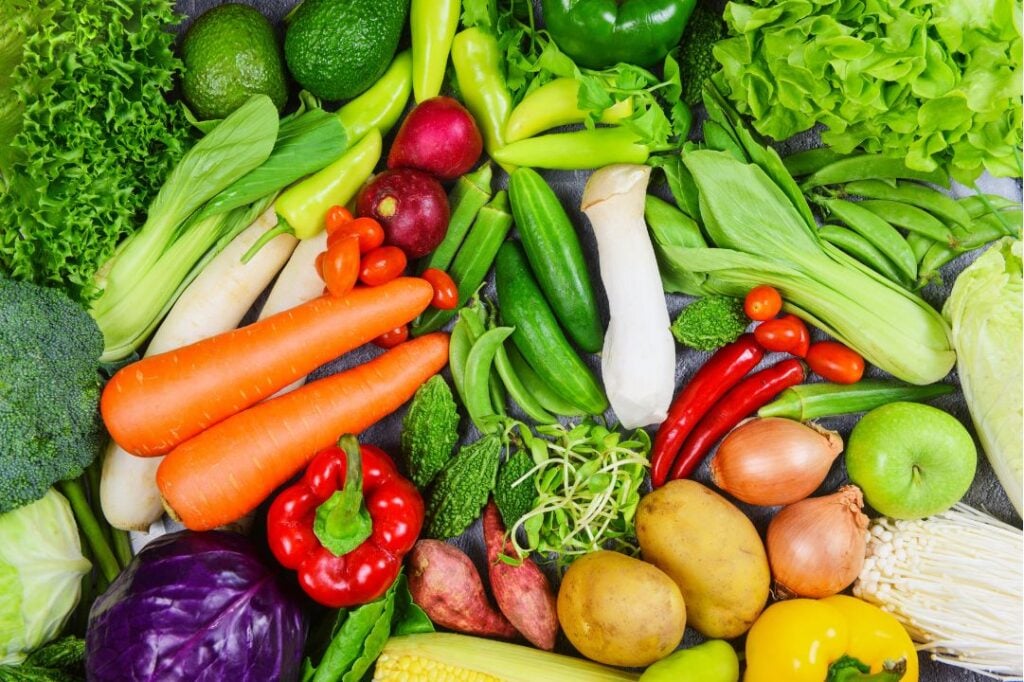
- Crops: Tomatoes, spinach, peppers, or specialty herbs like rosemary.
- Livestock: Chickens, goats, or sheep, depending on your land size and resources.
Focus on High-Demand Products: South Africa’s market for organic produce, free-range meat, and value-added products like cheese or honey is growing.
5. Implement Sustainable Practices
Sustainability not only benefits the environment but also reduces long-term costs. Incorporate:
- Crop Rotation: Improve soil fertility and reduce pests.
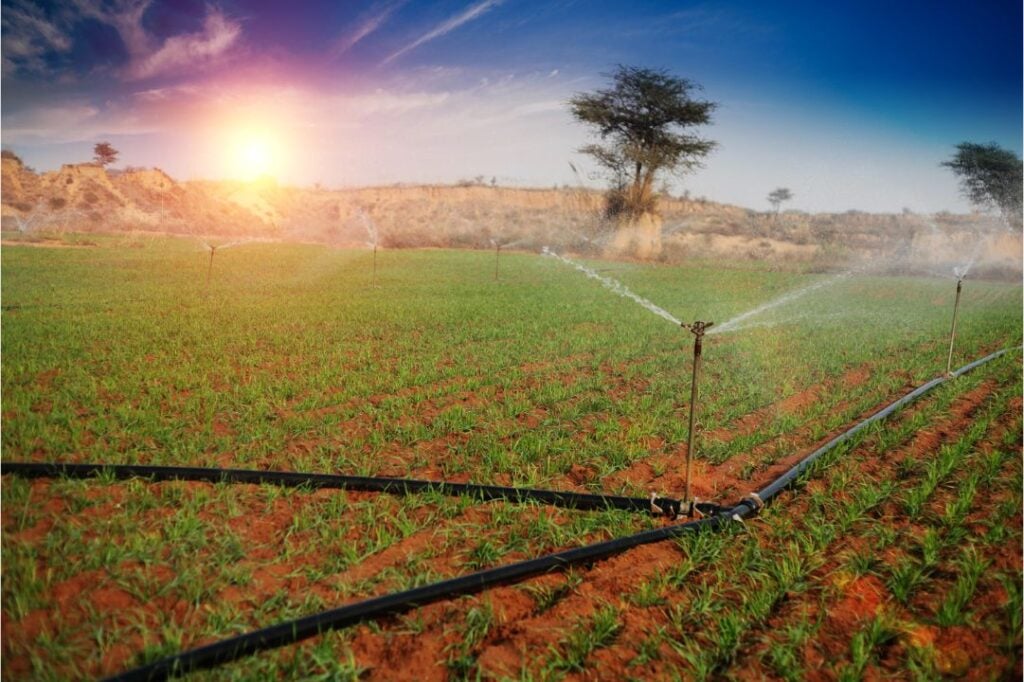
- Water Conservation: Drough irrigation systems are used for efficient water use.
- Renewable Energy: Solar-powered pumps and lights reduce energy costs.
Why It Matters: Sustainable farming practices are increasingly appealing to eco-conscious consumers.
6. Build a Market Strategy
Identify where and how you’ll sell your products. Common options include:
- Local Markets: Build relationships with nearby vendors and farmers’ markets.
- Online Platforms: Use marketplaces like AgriAgora.co.za to reach buyers online.
- Direct-to-Consumer: Offer subscription boxes or farm-to-table products.
Pro Tip: Promote your farm on social media to build a loyal customer base.
7. Invest in Essential Equipment
Equip your farm with the tools you need to succeed. For small farms, prioritize:
- Basic machinery like small tractors or tillers.
- Irrigation systems suited for your land size.
- Storage facilities for crops or feed.
Shop Smart: Explore affordable options on platforms like AgriAgora.co.za, where you can buy and sell used agricultural equipment.
8. Stay Informed and Adapt
Agriculture is dynamic, so staying updated is essential. Learn from:
- Workshops and Seminars: Attend local agricultural events.
- Online Resources: Follow blogs, forums, and YouTube channels focused on farming.
- Networking: Connect with other farmers to share experiences and tips.
Did You Know? Government programs in South Africa offer grants and support for emerging farmers—research options to boost your resources.
Common Challenges and How to Overcome Them
1. Unpredictable Weather
Solution: Monitor forecasts and invest in weather-resistant crops and structures.
2. Pest and Disease Management
Solution: Use integrated pest management techniques and choose disease-resistant crops.
3. Financial Constraints
Solution: Start small, apply for agricultural loans, and seek partnerships.
Why Start a Small Farm in South Africa?
- Diverse Opportunities: The country’s varied climates and soils support various farming activities.
- Growing Demand: Consumers increasingly prefer fresh, local, and sustainable products.
- Supportive Community: Platforms like AgriAgora.co.za connects you with buyers, sellers, and fellow farmers.
Conclusion
Starting a small farm in South Africa requires planning, dedication, and adaptability. You can turn your farming dream into a profitable reality by defining your goals, choosing the right crops or livestock, and leveraging tools like AgriAgora.co.za. Ready to start your journey? Begin by listing or sourcing your farming essentials today!